

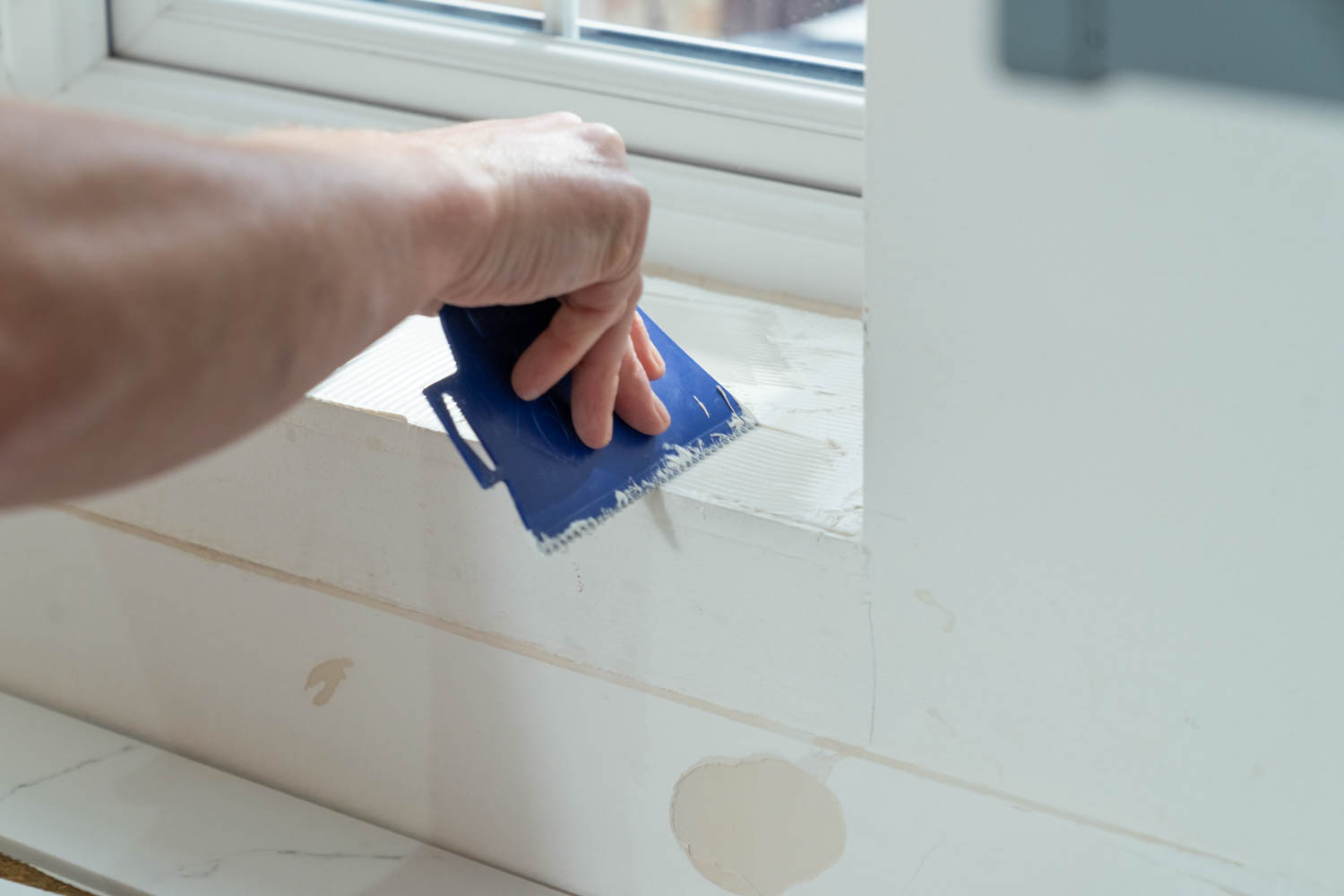
The overlay market is booming. Thin quartz and porcelain slabs installed over existing worktops have become one of the most profitable upgrades in modern kitchen renovation.
But while the materials have evolved, many installers are still relying on outdated adhesive systems that slow the job down, increase costs, and make installations harder than they need to be.
If you’re still using traditional polyurethane or resin-based adhesives, the thick, heavy, expensive ones, or worse, relying on standard silicone applied in dabs, it’s time to rethink your approach. Silicone is a sealant, not a structural adhesive, and using it this way creates hollow spots beneath the overlay. With thin 8mm quartz, those air gaps leave the material unsupported, increasing the risk of flexing, cracking, and long-term failure under everyday use.
Better Yield, Bigger Profits
One of the biggest hidden costs in overlay installation is adhesive consumption.
Traditional two-part resins are dense and heavy. You get through more product than expected, meaning:
- More tubs per job
- Higher cost per square metre
- Reduced profit margins
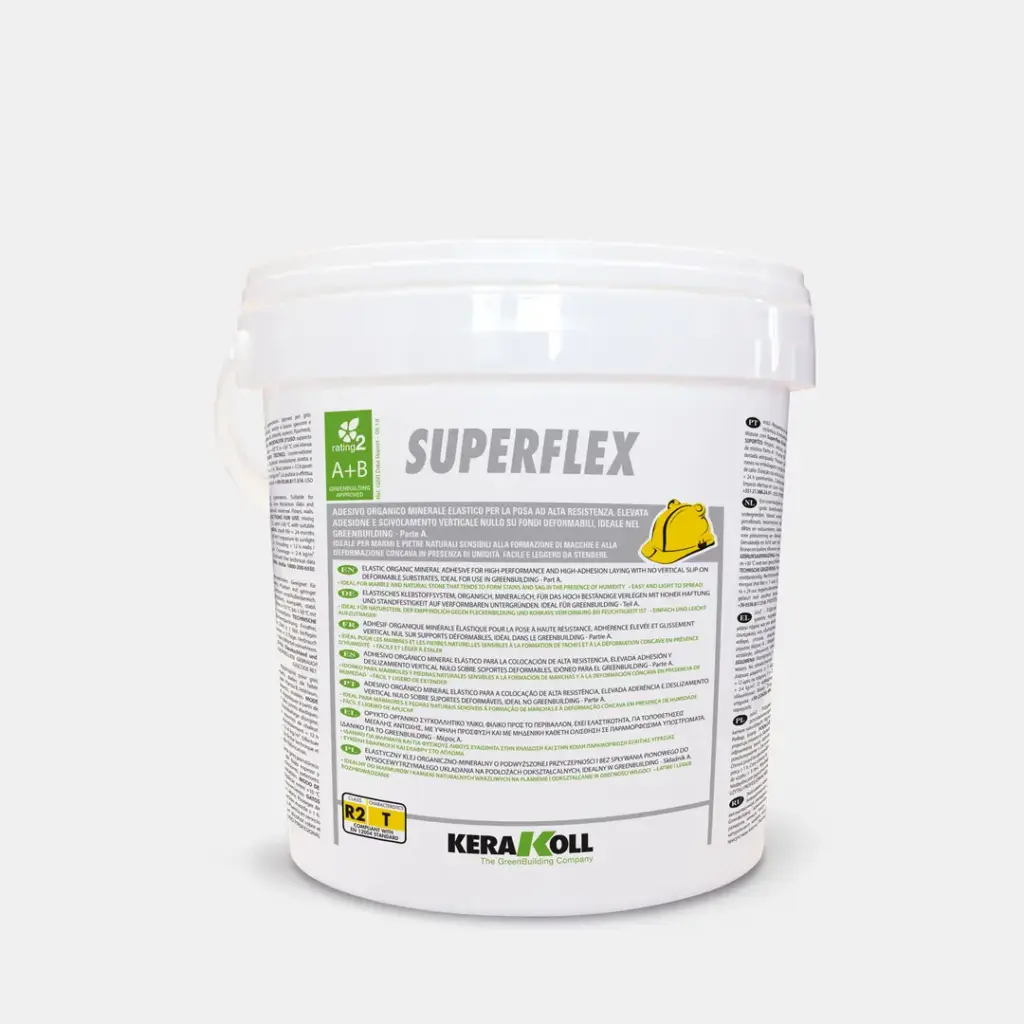
Kerakoll Superflex Eco changes that completely.
Thanks to its low-density formulation, it delivers significantly higher yield per kilogram. In practical terms:
- You need 1.5kg of Superflex to do the job of 2.5kg of traditional resin adhesives
- Even heavier 10kg buckets of older systems can cover up to 25% less area than an 8kg bucket of Superflex
That’s fewer materials to carry, less waste, and more margin left in the job.
Work Smarter, Not Harder
Every installer knows the frustration of working with thick, “grabby” adhesives that fight you when positioning slabs.
Superflex is built with Light Work technology, giving it a smooth, creamy, thixotropic consistency. It spreads easily, more like buttering toast than dragging through sludge, while still holding its shape once applied.
You get:
- Up to 1 hour of open and adjustability time
- Zero vertical slip once the slab is placed
- Easier positioning for sink cut-outs, mitres, and tight tolerances
The result? Faster installs, less physical strain, and a cleaner finish.
Built for Real World Substrates
Overlay installations aren’t static environments. Existing worktops, laminate, wood and even metal, expand and contract with heat and moisture.
Superflex Eco is a true R2-class organic adhesive, meaning it doesn’t just bond, it flexes.
It creates a strong, elastic connection that:
- Absorbs movement between materials
- Reduces risk of cracking in 8mm overlay slabs
- Performs across mixed substrates including laminate and metal
This is critical for long-term durability, especially around sinks, hobs, and high-use areas.
Safer for Installers, Better for Homes
Traditional adhesives often come with high VOCs and harsh solvents, something many installers have just accepted as part of the job.
Superflex Eco is formulated with:
- Low emissions
- Installer-friendly composition
- Improved indoor air quality during and after installation
It’s a better working environment for you and a better finished environment for your customer.
The Bottom Line
Sticking with “what you’ve always used” might feel safe, but it’s costing you time, effort, and margin.
Switching to a high-yield, easy-spread, flexible adhesive like Superflex Eco means:
- Faster installs
- Lower material usage
- Higher profitability
- More durable results for your customers
Available Now
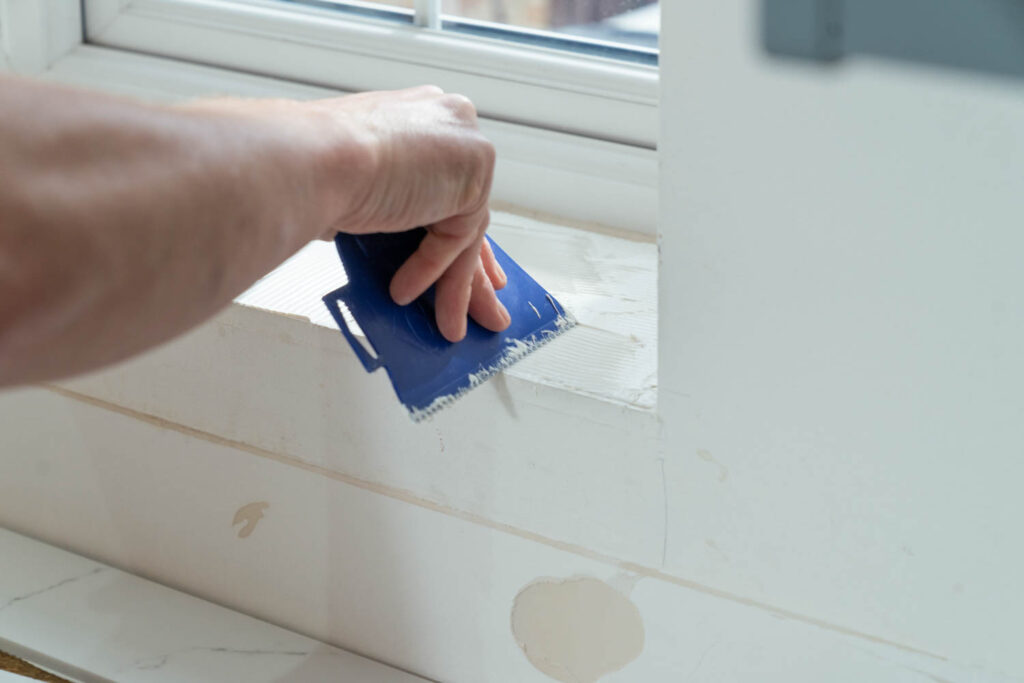
Superflex Eco is now available via Guardian Ventures eCommerce for just £48.50 per bucket, and includes a FREE red notched plastic adhesive spreader.
Included Spreader Benefits:
- High-quality, flexible plastic construction
- Durable and resistant to breakage
- Easy to clean, simply flex to remove dried adhesive or rinse with warm water
Key Specs at a Glance
- Shelf life: approx. 24 months
- Suitable for worktops, floors and walls (internal & external use)
- Open/adjustability time: ≥ 1 hour
- Ideal for porcelain, ceramics, large formats, thin slabs, marble, and natural stone
- Particularly suited to moisture-sensitive materials prone to staining or sagging
Stop fighting your adhesive. Start using one designed for how modern installers actually work.